|
|
|
WINTER 2025
|
 |
WVU researchers train AI to diagnose heart failure in rural patients using low-tech electrocardiogramsConcerned about the ability of artificial intelligence models trained on data from urban demographics to make the right medical diagnoses for rural populations, West Virginia University assistant professor Prashnna Gyawali and his team of computer scientists have developed several AI models that can identify signs of heart failure in patients from Appalachia.
|
 |
 |
WVU engineers recalibrate radio telescopes to illuminate dark energyLane Department of Computer Science and Electrical Engineering Associate Professor Kevin Bandura’s research is shining a light on the mysterious world of dark energy — enhancing the calibration of radio telescopes that can tell astronomers about dark energy by measuring the “neutral hydrogen” in the universe, a simple form of hydrogen with no net electric charge.
|
 |
|
 |
 |
WVU team secures second place in out-of-this-world international robotics competitionComprised of students from the Lane Department and MMAE students, Team Mountaineers have once again demonstrated their engineering prowess, clinching second place while representing WVU and the Statler College on the global stage at the 2025 University Rover Challenge.
|
 |
 |
WVU robotics places fourth in debut appearance at international competitionThe Mountaineers@Work team has secured fourth place in the international RoboCup@Work competition, held in Salvador, Brazil. Working with the Mechanical, Materials and Aerospace Engineering Department, electrical engineering students Ethan Grose, Ryan Duckworth and Spencer Long helped the Mountaineers rank first among all undergraduate teams.
|
|
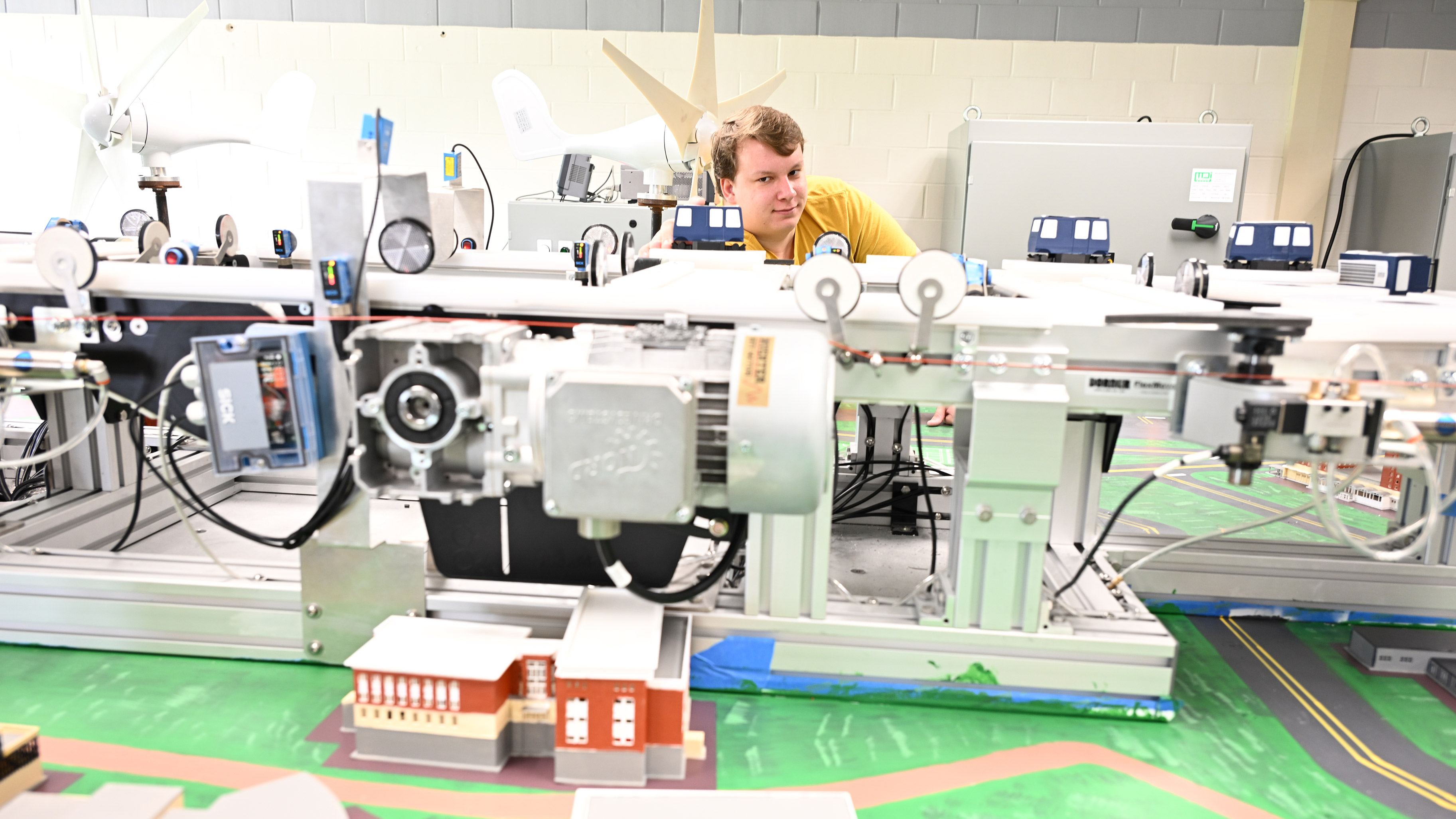 |
From capstone project to real-world resource: Student’s PRT replication to shape future learningLane Department alumnus Michael Barchett turned his final capstone project into supporting the creation of the Critical Infrastructure Security Lab, a scaled model of the PRT and Evansdale campus infrastructure to make students learn cybersecurity, artificial intelligence, computer, and electrical engineering.
|
 |
 |
 |
WVU Statler College to launch new online master’s program in cybersecurityAddressing the growing demand for cybersecurity experts to protect our industries, government and research sectors, the Lane department launched the new cybersecurity online graduate program.
|
|
 |
New program offerings in artificial intelligence and smart systemsThe Lane Department has launched a new online MS degree in Artificial Intelligence along with new undergraduate and graduate areas of emphasis on AI, dual degree programs for Computer/Robotics Engineering and Electrical/Robotics Engineering to provide students with multiple opportunities to diversify their education.
|
|
 |
WVU Cyber launches to affirm university commitment in cyber workforceA first-of-its-kind interdisciplinary initiative to bring together campus departments, programs and units to address cyber-related security, economic and workforce challenges.
|
 |
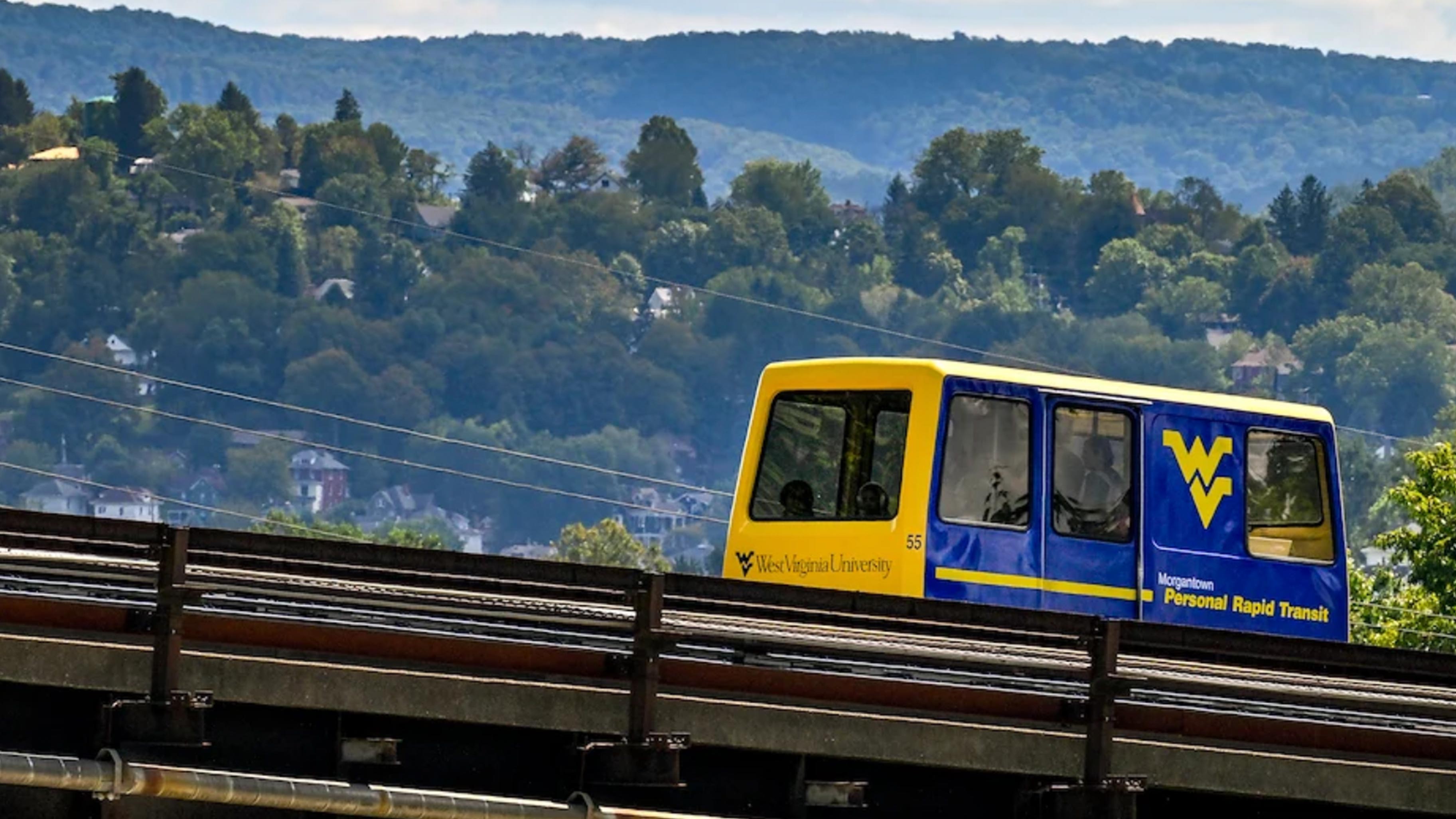 |
Rails in the air: The living legacy of the WVU PRTFor 50 years, the WVU Personal Rapid Transit system — the PRT — has been carrying students, professors, and townspeople above the clogged city streets, shuttling them between downtown Morgantown, the Evansdale area of campus, and the sprawling Health Sciences complex. Learn how faculty and alumni from the Lane Department are actively working to enhance the future of this WVU icon.
|
|
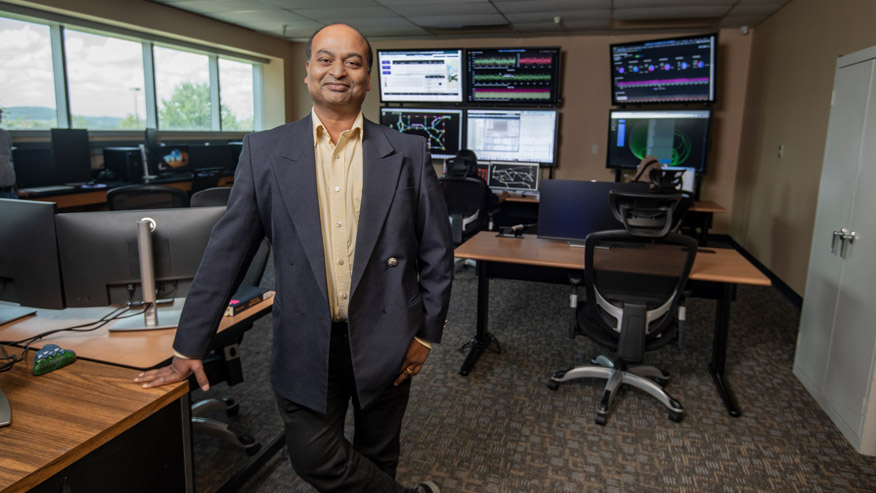 |
Srivastava received Outstanding Power Engineering Educator AwardIEEE Power and Energy Society awarded Lane Department Chair and Professor Anurag Srivastava the 2025 IEEE PES Peter W. Sauer Outstanding Power Engineering Educator Award - Undergraduate. This award recognizes outstanding electric power engineering educators who have excelled in teaching.
|
|
 |
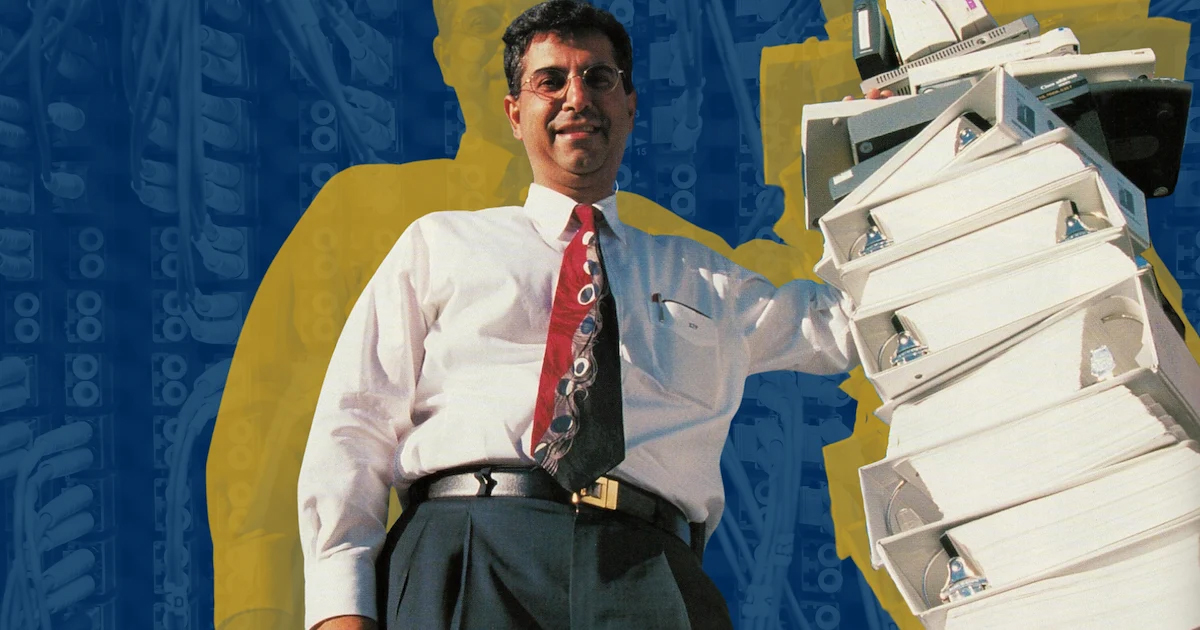 |
The man who rewired the world: WVU alumnus revolutionized the internet with cable TVRouzbeh Yassini-Fard, “father of the cable modem,” reshaped the world’s digital landscape. Decades later, he visited WVU and shared his story and his new book, “The Accidental Network,” published by WVU Press.
|
|
 |
Alumni Who Inspire: Zahra RonaghiAs part of, the Statler College Alumni Who Inspire series, we are honored to feature electrical engineering alumna Zahra Ronaghi, and her experiences from student to senior manager of solutions architecture and engineering at NVIDIA
|
 |
|
Dear friends and colleagues, As we approach the close of the Fall 2025 semester, I hope you can take a moment to appreciate everything our community has accomplished this year. Our students continue to shine on some of the world’s biggest stages. Undergraduate teams earned major victories at the RoboCup and Mars Rover competitions, an incredible reflection of their talent and teamwork. Our graduate students also distinguished themselves, winning a Best Paper Award and taking awards in an international disease diagnosis challenge. Our senior design teams contributed to building a new critical infrastructure lab, strengthening the hands-on learning experiences that define LCSEE. This has also been a landmark year for academic innovation. We launched several new programs, including our online MS in Artificial Intelligence and the online graduate program in Cybersecurity. At the undergraduate level, students can now pursue new Areas of Emphasis (AoE) in AI, along with dual-degree pathways in Computer Engineering + Robotics and Electrical Engineering + Robotics. For our graduate students, we introduced new AoEs in AI and Computational Data Science, Cyber-Physical and Complex Systems, Cybersecurity and Networked Systems, and Microelectronics and Embedded Systems, as well as a new Graduate Certificate in Digital Health. Our faculty research continues to gain national and international attention. This year saw significant advances in AI applications for health and radio astronomy, alongside impactful work in energy systems, cybersecurity, biometrics, and complex systems. We were also honored to see our own Community, Values, and Engagement (CVE) Committee recognized at the annual Statler College "All Voices as One" event. Wishing you a restful holiday season and an inspiring start to the New Year. Anurag Srivastava
Raymond J. Lane Chairperson of the Lane Department of Computer Science and Electrical Engineering Benjamin M. Statler College of Engineering and Mineral Resources West Virginia University anurag.srivastava@mail.wvu.edu | lcsee.statler.wvu.edu |
 |
|
ABOUT THIS EMAIL
Lane Signals is an e-newsletter produced by the Benjamin M. Statler College of Engineering and Mineral Resources' Office of Marketing and Communications. Please share your comments and suggestions by emailing us at engineeringwv@mail.wvu.edu. |
|
MAILING ADDRESS:
Benjamin M. Statler College of Engineering and Mineral Resources | West Virginia University 1220 Evansdale Drive | P.O. Box 6109 | Morgantown, WV 26506-6109 PHONE: 304.293.5263 | EMAIL: Statler-LCSEE@mail.wvu.edu Copyright © 2025 Benjamin M. Statler College of Engineering and Mineral Resources all rights reserved Privacy Policy | Unsubscribe |